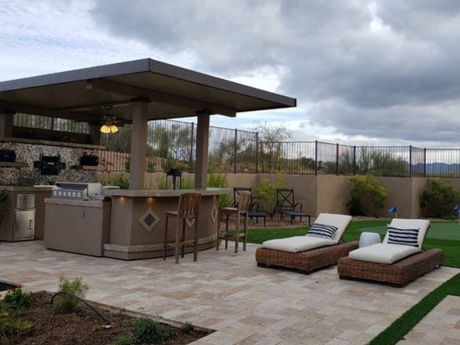
In an era increasingly focused on sustainability and efficiency, homeowners are exploring innovative ways to reduce their environmental footprint while maintaining a beautiful landscape. Artificial turf installation has emerged as a popular solution, offering a visually appealing, low-maintenance alternative to traditional grass lawns. This eco-friendly option not only conserves water but also reduces the need for harmful pesticides and fertilizers, paving the way for a greener future. As more individuals seek sustainable landscaping solutions, understanding the benefits and considerations of artificial turf becomes essential.
Advantages of Artificial Turf
Artificial turf provides several benefits that make it an attractive choice for homeowners looking to enhance their outdoor spaces. Here are some key advantages:
- Water Conservation: Unlike natural grass, artificial turf requires no watering, significantly reducing water consumption and contributing to environmental sustainability.
- Low Maintenance: With artificial turf, the need for mowing, fertilizing, and pest control is eliminated, saving time and resources.
- Durability: Artificial turf is designed to withstand heavy foot traffic and various weather conditions, ensuring a long lifespan.
- Consistency: Enjoy a lush, green lawn year-round without the seasonal changes or patchiness associated with natural grass.
Installation Process
The installation of artificial turf involves several steps to ensure a seamless and efficient setup. Here’s an overview of the process:
Site Preparation
This initial phase includes removing any existing grass, weeds, or debris from the site. The ground is then leveled and compacted to create a stable base for the turf.
Base Installation
A layer of crushed rock or gravel is spread and compacted over the prepared ground to facilitate drainage and provide a solid foundation for the turf.
Turf Laying
The artificial turf is unrolled and positioned carefully over the prepared base. Seams are secured, and the turf is anchored to prevent movement.
Infill Application
Infill material, such as sand or rubber granules, is spread evenly over the surface to support the turf fibers and enhance its resilience.
For a more comprehensive understanding of the installation process, read more about this topic.
Environmental Impact
The environmental benefits of artificial turf extend beyond water conservation. Here are some additional positive impacts:
- Reduced Chemical Usage: Eliminating the need for fertilizers and pesticides diminishes the release of harmful chemicals into the ecosystem.
- Decreased Emissions: With no mowing required, emissions from lawn care equipment are significantly reduced.
- Recyclable Materials: Many artificial turfs are made from recyclable materials, further enhancing their eco-friendly appeal.
To learn more in this detailed guide about the environmental impact of artificial turf, explore further insights here.
Considerations Before Installation
Before opting for artificial turf, there are several factors to consider:
- Initial Cost: While the long-term savings are significant, the initial installation cost can be higher compared to seeding or sodding natural grass.
- Heat Retention: Artificial turf can retain heat, making it warmer than natural grass, especially in direct sunlight.
- Drainage: Proper installation is crucial to ensure adequate drainage and prevent water buildup.
Find additional information here to help guide your decision before installation.