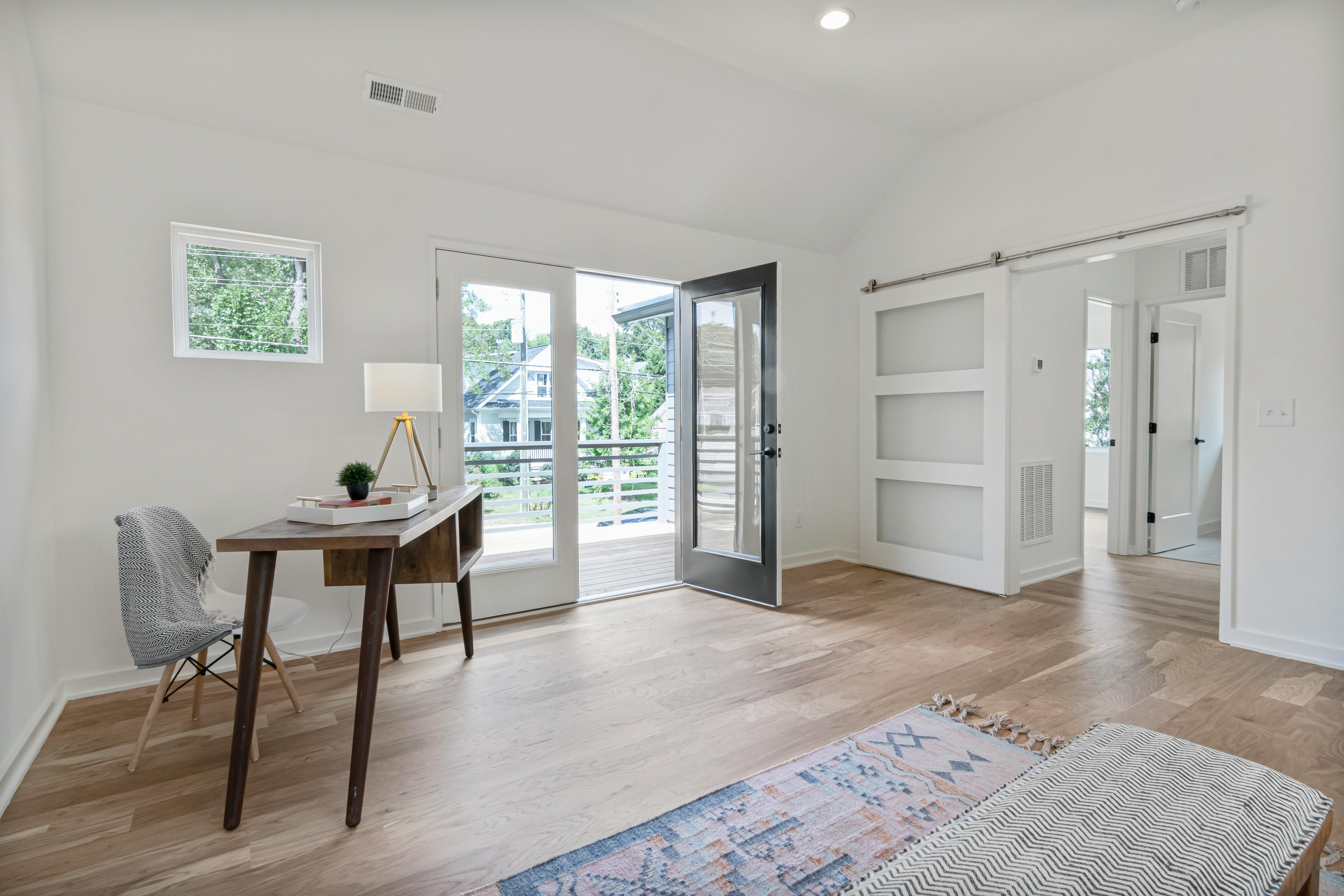
Home design is not just about enhancing the aesthetic appeal of a living space; it’s about creating an environment that reflects personal style and meets functional needs. When embarking on a home renovation project, a deep understanding of design principles is essential to achieving a stylish and cohesive result. This article explores the nuances of home design expertise, offering insights into stylish renovations that can transform any space into a harmonious haven.
Understanding the Fundamentals of Home Design
Before diving into the renovation process, it’s crucial to grasp the basic principles of home design. These principles serve as the foundation for any project, ensuring that every decision made contributes to the overall vision.
- Balance: Achieving a sense of equilibrium through the distribution of visual weight within a space. This can be symmetrical, asymmetrical, or radial.
- Contrast: Utilizing differences in color, texture, or shape to create interest and draw attention to specific areas.
- Emphasis: Focusing on a dominant feature or focal point in a room, such as a fireplace or a piece of artwork.
- Proportion and Scale: Ensuring that furniture and decorative elements are appropriately sized relative to the space and each other.
- Rhythm: Creating a sense of movement by using repetition and variation in design elements.
For more on these principles and their application, explore further insights here.
Incorporating Current Design Trends
Staying updated with design trends can significantly influence the outcome of a renovation project. Here are some contemporary trends that can inspire a stylish renovation:
Biophilic Design
This trend focuses on bringing the outdoors inside. Incorporating natural elements such as plants, natural light, and water features can create a calming and rejuvenating environment.
Minimalist Aesthetics
Characterized by simplicity and functionality, minimalist design emphasizes clean lines, uncluttered spaces, and a limited color palette. It’s about quality over quantity, with each piece serving a purpose.
To delve deeper into these trends, learn more in this detailed guide.
Smart Home Integration
Technology plays a pivotal role in modern home design. Integrating smart devices enhances convenience and efficiency, offering control over lighting, temperature, security, and more through a single platform.
Personalizing Your Space
While trends provide a source of inspiration, personalization is key to making a space truly your own. Consider the following when tailoring your home design:
- Color Palette: Choose colors that reflect your personality and evoke the desired mood for each room.
- Textures and Materials: Mix and match different textures and materials to add depth and interest.
- Artwork and Accessories: Select pieces that hold personal significance or that resonate with your tastes.
For additional information on personalizing your home, read more about this topic.
Ensuring a Successful Renovation
Successful renovations require careful planning and execution. Here are some tips to ensure your project runs smoothly:
- Budget Planning: Establish a clear budget and prioritize spending on elements that offer the most impact.
- Timeline Management: Set realistic timelines and account for potential delays to avoid frustration.
- Professional Consultation: Engage with design professionals who can provide expert advice and insights.
- Quality over Quantity: Invest in high-quality materials and craftsmanship for lasting results.
To find additional information on managing a renovation project, find additional information here.
In conclusion, mastering the art of home design requires a balance of understanding design principles, staying abreast of trends, and infusing personal style. By approaching renovations with a clear vision and plan, homeowners can create spaces that are both stylish and functional.