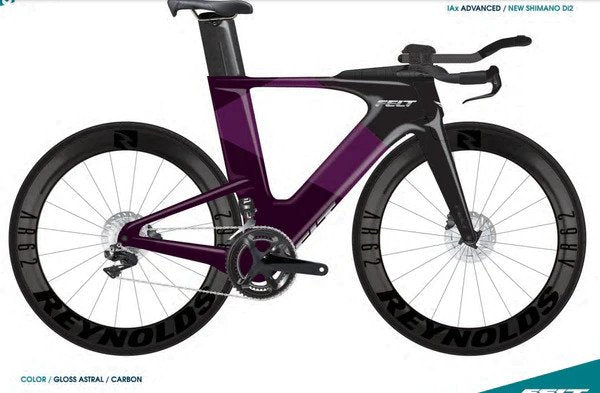
Choosing the right bike computer mount is crucial for both professional cyclists and recreational riders. A well-chosen mount not only enhances the bike’s aesthetics but also ensures the safety and accessibility of your bike computer. With a variety of options available in the market, understanding the key features and considerations can help in making an informed decision. This article will guide you through the essential factors to consider when selecting a bike computer mount, ensuring that your device is secure and optimally positioned.
Why a Good Bike Computer Mount Matters
A bike computer mount is more than just a holder for your device. It plays a critical role in ensuring that your bike computer is securely attached and easily accessible during rides. Whether navigating through city streets or tackling rugged trails, a reliable mount can significantly enhance your riding experience.
Key Benefits of a Quality Mount
- Stability: A high-quality mount minimizes vibrations, allowing you to read data clearly.
- Visibility: Ensures the bike computer is positioned for easy viewing, reducing the need to take your eyes off the road.
- Durability: Made from robust materials to withstand various weather conditions and terrains.
Types of Bike Computer Mounts
Understanding the different types of bike computer mounts can help in selecting the one that best fits your needs and preferences.
Handlebar Mounts
Handlebar mounts are the most common type. They attach directly to the handlebars, providing a central location for your bike computer. They are suitable for most types of bikes and riding styles.
- Pros: Easy to install, widely available, versatile.
- Cons: May limit space for other handlebar accessories.
Stem Mounts
Stem mounts are attached to the stem of the bike, offering a more integrated look. They are ideal for those who prefer a clutter-free handlebar.
- Pros: Sleek design, unobtrusive.
- Cons: May require specific hardware depending on the bike.
Out-front Mounts
Out-front mounts position the bike computer ahead of the bars, providing a more aerodynamic setup. They are popular among road cyclists.
- Pros: Aerodynamic, easy-to-read display position.
- Cons: Slightly more expensive, may require specific installations.
Materials and Build Quality
The material of the mount influences its durability and performance. Common materials include plastic, aluminum, and composite materials. Each has its advantages:
- Plastic: Lightweight and affordable but may not be as durable.
- Aluminum: Offers a balance of weight and strength, ideal for long-term use.
- Composite: Combines materials for added strength and reduced weight.
Compatibility Considerations
Before purchasing a bike computer mount, ensure it is compatible with your device and bike setup. Check the following:
- Device Compatibility: Verify that the mount fits the model and brand of your bike computer.
- Bike Fit: Ensure the mount is compatible with your bike’s handlebar or stem size.
Installation and Adjustability
Ease of installation and adjustability are important factors. Look for mounts that offer straightforward installation processes and adjustable features to fine-tune the position of your bike computer. This ensures that you can customize the viewing angle to your preference without hassle.
Conclusion
Choosing the right bike computer mount involves considering various factors, including type, material, compatibility, and ease of installation. By understanding these elements, cyclists can ensure that their bike computer is securely and conveniently mounted for optimal use. Explore diverse bike computer mounts to find one that complements both your riding style and bike setup.