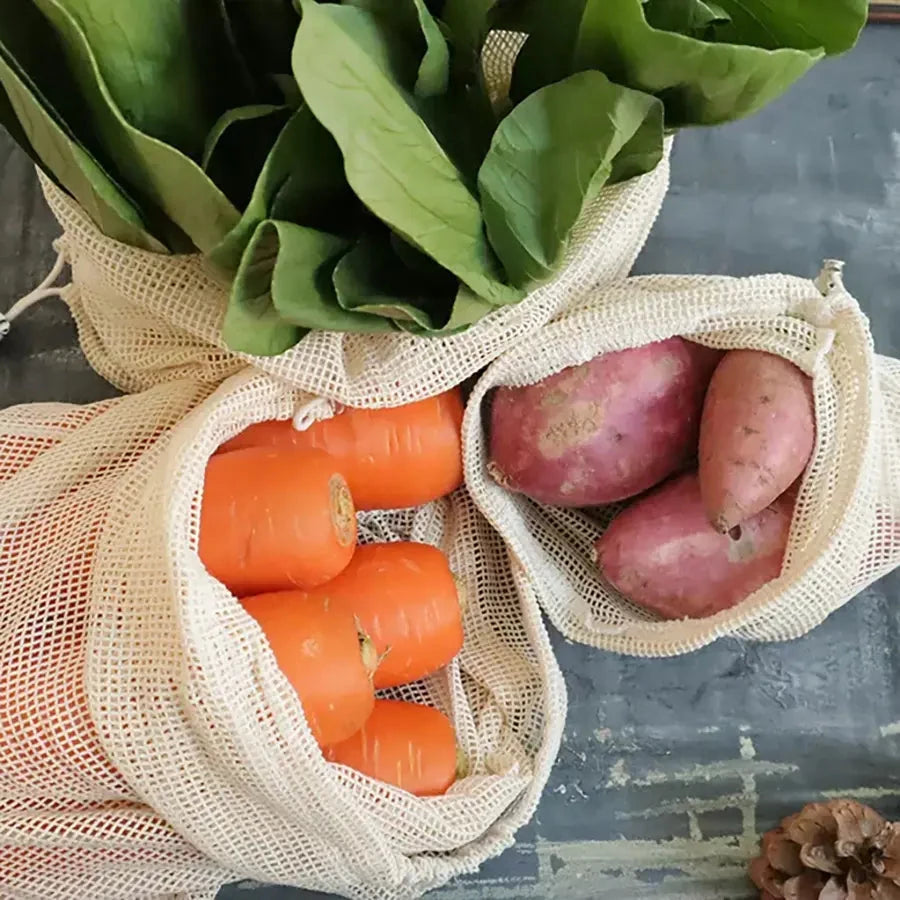
In recent years, the environmental consciousness of consumers has seen a significant shift, with increasing attention to sustainable living practices. Among the various lifestyle choices, the adoption of eco-friendly produce bags represents a pivotal movement towards reducing the carbon footprint associated with daily activities. These bags, designed to replace single-use plastics, contribute to a cleaner environment and promote the responsible use of resources. This article delves into the environmental impact of these bags, emphasizing their role in sustainable living while highlighting their benefits over conventional plastic alternatives.
Understanding the Role of Eco-Friendly Produce Bags
Eco-friendly produce bags are designed to minimize environmental harm through the use of sustainable materials and practices. Unlike traditional plastic bags, which take hundreds of years to decompose, these bags are made from biodegradable or recyclable materials, making them a more sustainable choice.
Key Environmental Benefits
- Reduction in Plastic Waste: By opting for eco friendly produce bags, consumers can significantly reduce the amount of plastic waste generated. These bags are often made from materials that decompose naturally or can be recycled, contributing to reduced landfill waste.
- Lower Carbon Footprint: The production of eco-friendly bags typically requires fewer resources and less energy compared to conventional plastic bags. This results in a lower carbon footprint, making them a more environmentally sound choice.
- Use of Sustainable Materials: Many eco-friendly bags are crafted from organic cotton, hemp, or recycled materials, which are renewable and have minimal environmental impact.
- Durability and Reusability: Designed for multiple uses, these bags reduce the need for frequent replacements, thereby conserving resources and reducing waste.
Comparative Analysis: Eco-Friendly vs. Plastic Bags
When comparing eco-friendly bags to traditional plastic bags, several factors underscore their environmental advantages. The journey from production to disposal reveals stark differences in their environmental footprints.
Production and Lifecycle Impact
- Resource Efficiency: Eco-friendly bags often use less water and energy during production compared to plastic bags, which are derived from non-renewable petroleum.
- Decomposition Rates: While plastic bags can take centuries to break down, eco-friendly alternatives decompose much faster, often within months.
- Recyclability: Many eco-friendly bags can be recycled or composted at the end of their life cycle, whereas plastic bags often end up in landfills or oceans.
Consumer Influence and Market Trends
The growing demand for sustainable products has prompted retailers and manufacturers to focus more on eco friendly produce bags. This trend is driven by consumer awareness and the desire to make environmentally responsible purchasing decisions.
Shaping Sustainable Practices
- Increased Consumer Awareness: As more consumers become aware of the environmental impact of their choices, the demand for sustainable products, including eco-friendly produce bags, continues to rise.
- Retailer Initiatives: Retailers are increasingly stocking eco-friendly produce bags in response to consumer demand, often positioning them as part of a broader commitment to environmental sustainability.
- Government Policies: Many governments are implementing bans or restrictions on single-use plastics, encouraging the adoption of eco-friendly alternatives.
Conclusion
The adoption of eco-friendly produce bags is a small but significant step towards a more sustainable future. These bags not only reduce the environmental impact of daily shopping practices but also serve as a catalyst for greater awareness and action towards environmental conservation. As consumer awareness grows and market trends shift, the use of eco-friendly produce bags is poised to become a standard practice, marking a positive change for the planet.