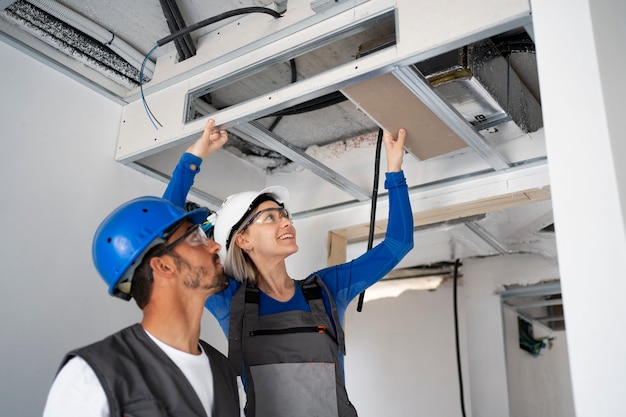
Indoor air quality is an often overlooked aspect of maintaining a healthy indoor environment. As people spend a significant portion of their lives indoors, whether at home, work, or other settings, the quality of the air they breathe is crucial to their overall health and well-being. Poor indoor air quality can lead to a range of health issues, from minor irritations to serious respiratory conditions. Therefore, testing indoor air quality is essential for safeguarding health and ensuring a comfortable living and working environment.
Understanding Indoor Air Quality
Indoor air quality (IAQ) refers to the condition of the air inside buildings and structures. It is affected by various factors, including:
- Presence of pollutants such as dust, mold, and pollen.
- Use of chemicals from cleaning agents and building materials.
- Poor ventilation systems that fail to circulate fresh air.
- Humidity levels that can promote mold growth.
To address these issues, comprehensive indoor air quality testing is necessary to identify specific contaminants and develop strategies to mitigate their effects.
The Health Impacts of Poor Indoor Air Quality
Poor indoor air quality can manifest in various health problems, including:
- Respiratory issues such as asthma and allergies.
- Headaches, dizziness, and fatigue.
- Worsening of existing health conditions.
- Long-term diseases like chronic obstructive pulmonary disease (COPD).
These health impacts highlight the importance of regular air quality assessments. Learn about our tailored solutions to improve IAQ and protect your health.
Steps to Improve Indoor Air Quality
Improving indoor air quality involves several proactive steps:
Regular Testing and Monitoring
Conducting regular air quality tests can detect harmful pollutants. This is the first step in understanding what actions need to be taken. Explore advanced guides and tips on effective testing methods.
Enhancing Ventilation
Proper ventilation helps in reducing the concentration of indoor air pollutants. It involves:
- Using exhaust fans in bathrooms and kitchens.
- Ensuring air conditioning units are clean and functional.
- Allowing natural airflow by opening windows when possible.
Using Air Purifiers
Air purifiers can significantly reduce airborne particles, improving air quality. They are particularly useful in areas with high pollution levels or for individuals with allergies.
Choosing the Right Indoor Air Quality Testing Service
When selecting a service for indoor air quality testing, consider:
- The company?s experience and expertise in IAQ testing.
- The range of services offered, including testing for various pollutants.
- Customer feedback and testimonials. See what others are saying about us.
For those looking to make informed decisions, discover expert strategies here to ensure comprehensive IAQ assessments.
In conclusion, indoor air quality testing is a vital practice for maintaining a healthy environment. By identifying and mitigating pollutants, individuals can protect their health and improve overall comfort. Regular testing, combined with effective solutions such as improved ventilation and air purifiers, can significantly enhance indoor air quality. Find out more about this approach to safeguard your indoor spaces and well-being.